Q3 Is Here: Is Your Supply Chain Ready to Scale?
Peak season exposes what your dashboards miss. Get ahead of delays, stockouts and churn before Q4 hits.

Soapbox Team
July 2, 2025
Peak season exposes what your dashboards miss. Get ahead of delays, stockouts and churn before Q4 hits.
The second half of the year doesn’t give you time to catch your breath.
For fast-growing brands, Q3 is the pressure test: demand ramps up, order volumes spike, and minor operational inefficiencies quickly become revenue leaks. If your systems aren’t ready, Q3 doesn’t just expose your supply chain problems, it amplifies them.
Let’s be direct: scaling without the right infrastructure is a liability.
In 2025, many teams are still stitching together spreadsheets, emails, and disconnected systems to manage their supply chain fulfillment. In Q3, that’s no longer sustainable especially if you want a successful Q4.
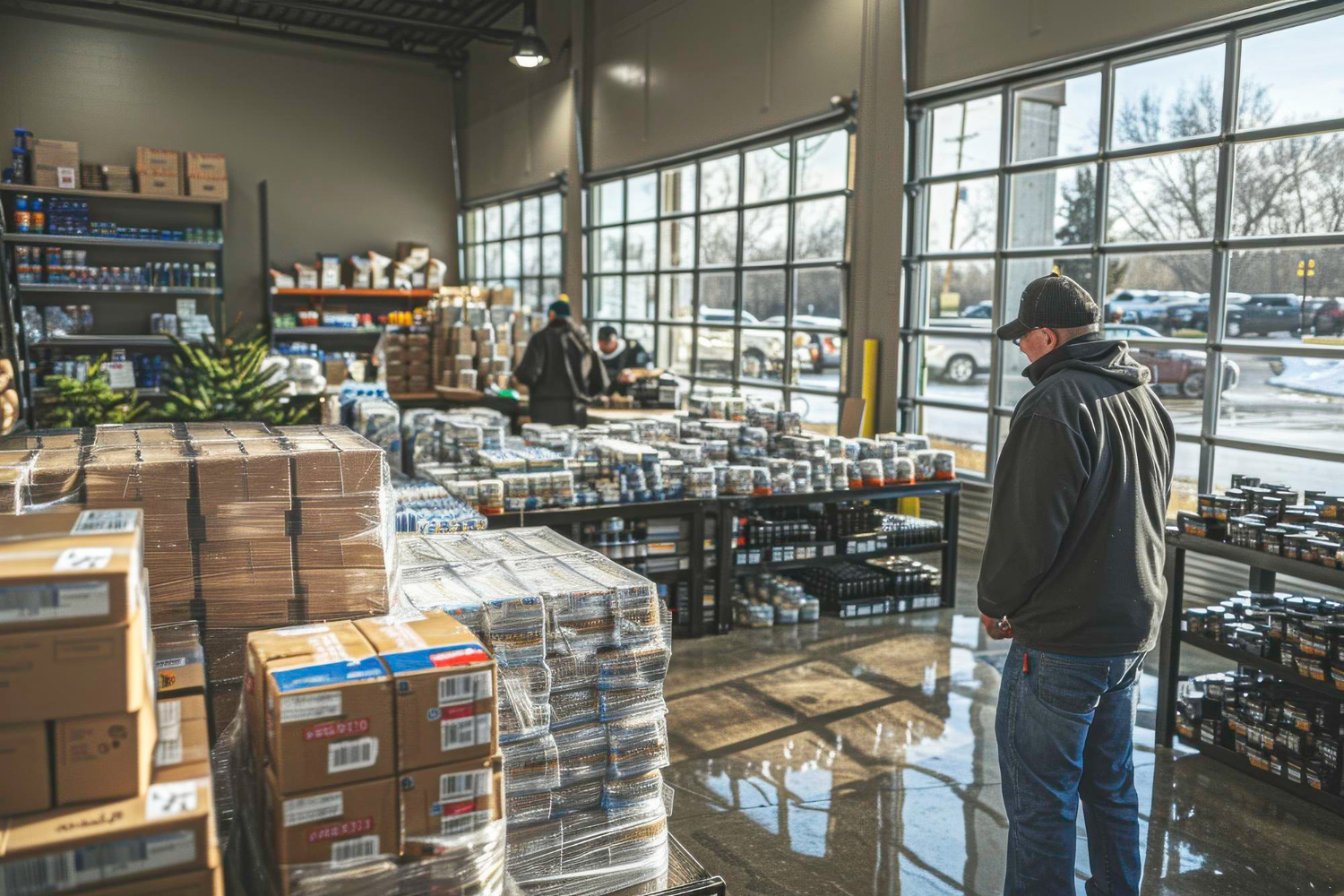
If you're still running manual or semi-manual ops, here’s what your day-to-day reality might look like:
The worst part is that these issues rarely show up on a dashboard until it's too late. By then, your brand failed to meet its promise to your customers, leaving them looking elsewhere.
Top operators aren’t adding more tools to their tool kit; they’re building smarter infrastructure that scales with them.
Here’s what that looks like for them:
This kind of operational clarity gives teams room to breathe even when volume surges.
Take one of our clients, De‑Fi, a premium audio equipment brand.
When pandemic-era demand sent orders soaring, their back end couldn’t keep up. Inventory was tracked on spreadsheets. Fulfillment was reactive. Stockouts and shipping delays became a frequent challenge and they lacked real-time visibility to respond quickly.
Then wildfires hit Los Angeles. De‑Fi’s founder lost his home, and the team had to run operations remotely overnight.
De‑Fi reached out to Soapbox to rebuild their operations with Soapbox’s fully integrated infrastructure. Soon,
“Soapbox knows our business like it’s their own. That’s rare and invaluable.”
De‑Fi didn’t just survive a volatile period, but they also built a scalable foundation that turned uncertainty into opportunity.
According to McKinsey, 60% of supply chain leaders cite lack of visibility as their #1 challenge heading into peak season.
And a Gartner study found that over 70% of Q3 disruptions could have been avoided with better system integration and forecasting.
In contrast, brands that invest early in connected systems see measurable results:
Q3 isn’t the time to scramble. It’s the time to execute with what you’ve already built.
Let’s examine your situation. If you’re:
Then it’s time to ask the tough question:
“Do I have the visibility , data and control to scale for the next 90 days?”
If not, don’t wait for Q3 bottlenecks, or worse, customer churn, before addressing these issues.
The companies that win Q4, start now, but also won’t be the ones that push harder.
They’ll be the ones that build a smarter foundation.
Don’t wait for Q3 to come to an end and let operational cracks become customer losses. Build the infrastructure that lets your team move faster, act smarter, and scale stronger.
Because in the supply chain world, Q4 is already in motion.